DRIVING PIPELINE THROUGH STRATEGIC CONTENT & INTEGRATED CAMPAIGNS
Company: Suzy (B2B SaaS Consumer Insights Platform)
Role: Content Strategist
Timeline: March 2022 - October 2024 (2.5 years)
Role: Content Strategist
Timeline: March 2022 - October 2024 (2.5 years)
THE CHALLENGE
Suzy operated in a competitive market research space where traditional platforms relied on purchasing audience panels - a slow, expensive approach. Suzy's key differentiator was a proprietary consumer audience that enabled rapid insights delivery to enterprise brands. However, in a crowded market, we needed to demonstrate this value to prospects across multiple verticals and drive consistent pipeline growth.
The challenge: Create a scalable content strategy that would generate qualified leads across six target verticals (Retail, Food & Beverage, CPG, Tech, Finance, and Media & Entertainment) by showcasing our platform's unique capabilities and speed-to-insight advantage. Content needed to serve dual purposes: prove our value through free consumer insights while generating pipeline for sales.
MY STRATEGIC APPROACH
I developed a research-driven content framework built around identifying and analyzing trending topics within each target vertical. Rather than creating generic market research content, my strategy focused on delivering timely, vertical-specific insights that would resonate with decision-makers in each industry.
Research & Topic Identification:
Conducted ongoing secondary research using industry publications, trend data (including Exploding Topics), and competitive intelligence to identify emerging topics in each vertical
Leveraged AI to analyze Gong sales call transcripts, identifying patterns in what prospects and customers were actually asking about
Proposed quarterly content roadmaps based on this research, aligning topics with both market trends and sales priorities
Content Framework & Repurposing Strategy:
When I joined, the team was producing standalone whitepapers with limited distribution. I introduced a strategic repurposing framework that extended content ROI:
Anchor content: Comprehensive whitepapers featuring proprietary consumer research data on trending topics
Vertical-specific assets: Mini-reports and infographics tailored to each industry's specific interests
Targeted paid assets: Ads customized by vertical for precision targeting
Event content: Webinar topics and presentations based on research themes
This approach transformed one research initiative into multiple touchpoints across the buyer journey, maximizing the value of each research investment.
CROSS-FUNCTIONAL EXECUTION
I collaborated across the entire demand generation ecosystem to ensure content drove measurable pipeline:
ABM Team: Developed account-specific content variations for target enterprise accounts
Paid Media: Created vertical-specific ad copy and messaging frameworks
Email Marketing: Built nurture sequences around content themes
Social Media: Coordinated organic and paid social promotion
Events Team: Partnered on webinar topics and content based on research insights
Research Team: Managed a researcher to execute surveys and validate trends across all content initiatives
The integration was critical - rather than operating in a silo, content strategy informed campaign strategy, and campaign performance data informed content priorities in an ongoing feedback loop.
STRATEGIC EVOLUTION: FROM VERTICAL TO PERSONA-BASED TARGETING
As the content program matured in year two, I partnered with the Product Marketing team to evolve our approach from purely vertical-based targeting to persona-based segmentation. Recognizing that decision-makers within the same vertical had different needs and priorities, I drove the initiative to refine our content strategy around four key personas: Researchers, Marketers, Shopper Insights professionals, and Product Developers.
This evolution enabled more precise messaging - for example, targeting Insights Managers with content focused on research methodology and speed-to-insight, while addressing Marketing VPs with business impact and ROI narratives. By aligning content themes with both vertical trends AND persona-specific pain points, we increased content relevance and improved conversion rates across the funnel.
MEASUREMENT & OPTIMIZATION
Established monthly reporting cadence to track content performance against pipeline goals. Used multi-touch attribution modeling in Salesforce to understand content's role in deal progression, enabling data-driven decisions about topic selection, format priorities, and distribution channels.
RESULTS
Over two years, this strategic content approach drove significant business impact:
182% increase in warm leads year-over-year
78% increase in Marketing Qualified Leads year-over-year
$3M+ in directly attributed pipeline opportunities from content initiatives
$500K in closed revenue with clear content attribution in multi-touch models
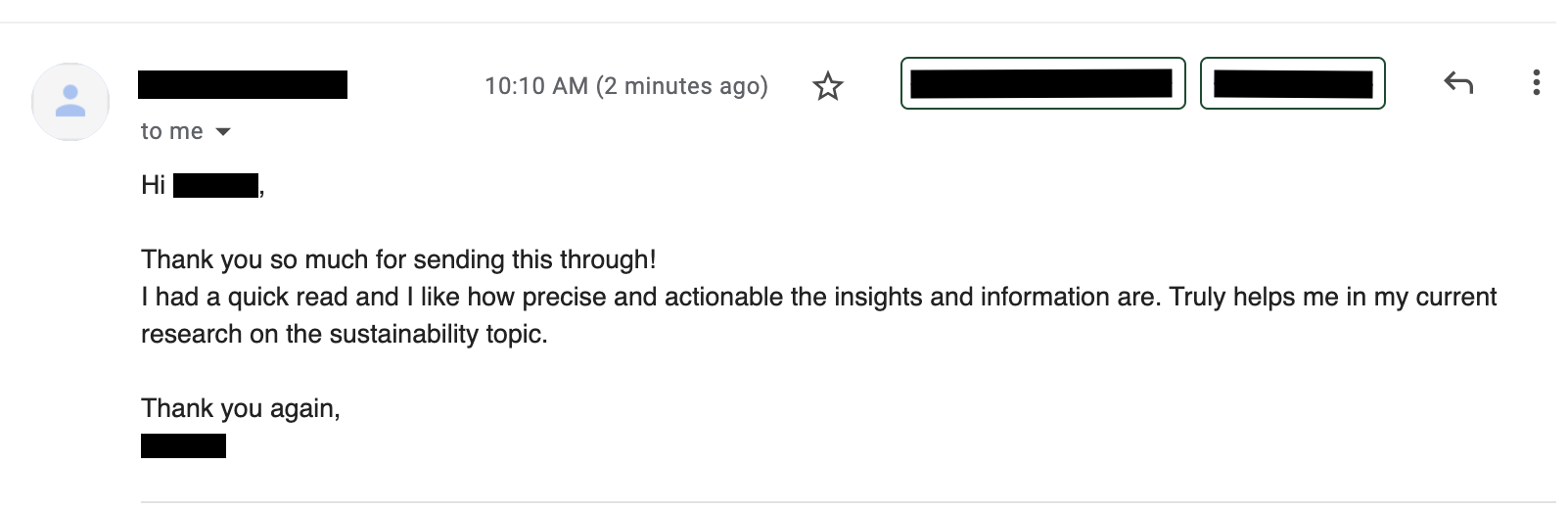
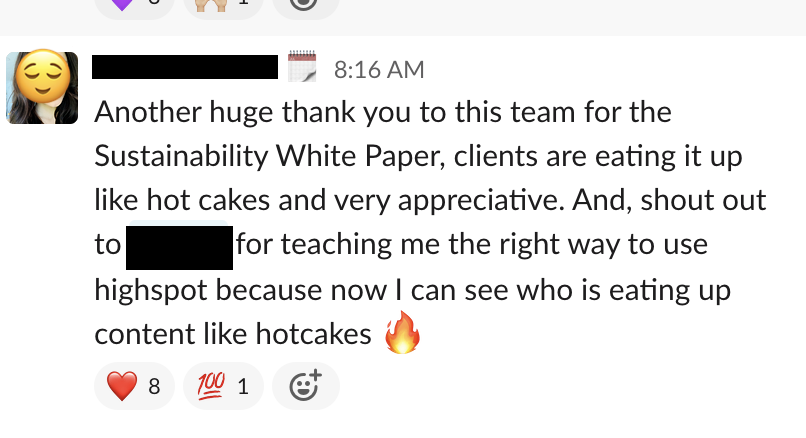
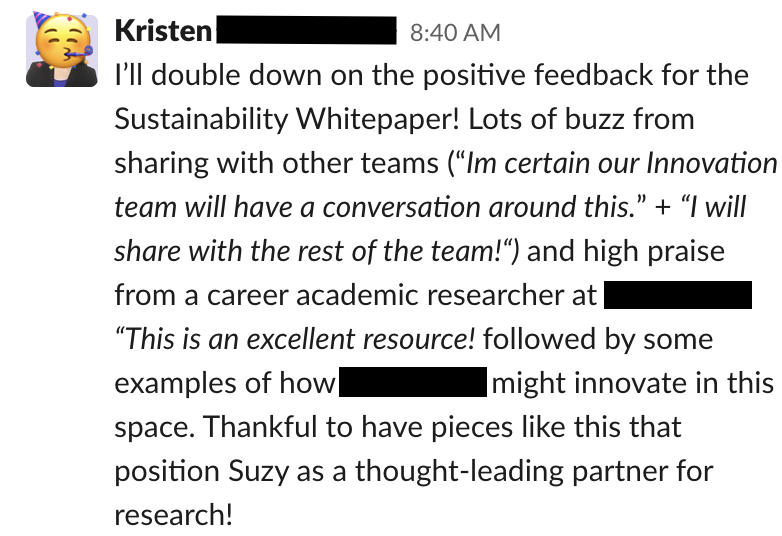
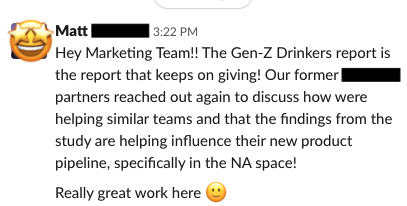
Content became a primary pipeline generation engine, with sales teams actively requesting vertical-specific assets for prospect conversations and using research findings as conversation starters with enterprise accounts.
KEY TAKEAWAY
Effective content strategy in B2B SaaS requires more than production capability - it demands market awareness, strategic repurposing, and deep integration with demand generation functions. By grounding content decisions in research (both market trends and customer conversations), establishing scalable frameworks, and maintaining tight collaboration with campaign teams, content can serve as a measurable pipeline driver rather than a cost center. This approach demonstrates core product marketing capabilities: understanding target audiences, translating product value into industry-specific narratives, and driving measurable business outcomes through strategic go-to-market execution.